
The Quick Take: Leaving a toxic marriage isn't a matter of willpower; it’s a matter of nervous system regulation. This post explores how "Learned Helplessness" and childhood LifeTheft™ create a state of paralysis, and why your first four attempts to leave were actually necessary "stress tests" for your eventual freedom.
We often hear the question, "Why didn't she just leave?"
It is a question that carries a heavy weight of shame. I remember a close friend looking at me with pity and saying, "Karen, 99% of women would have left a long time ago." At that moment, I felt like a failure, not just for being in an abusive marriage, but for lacking the "courage" to exit it.
But looking back, I realize that the "99%" she was talking about weren’t living in my head or my situation. They weren’t standing in my childhood driveway.
This is the true nature of LifeTheft™—a concept I explore deeply in my upcoming book of the same name. LifeTheft™ is the systematic, invisible siphoning of identity and agency. It is the loss of years and the erasure of self, leaving a 'Quiet Mouse' where a person once stood. To recover, one must identify the exact moments where the ability to choose was first stolen.
The Five Launches
I didn't just stay; I tried to leave five separate times. Each time, I was pulled back, not by physical force, but by a psychological "yanking." The average is 7 times to get out of an abusive marriage.
When you are a Fawner (appeaser) the guilt card is played skillfully by the antagonist. I was trapped between two types of perceived failure:
The failure of "not trying hard enough" to save my marriage.
The shame of "not being strong enough" to leave it.
If you feel paralyzed, understand this: Your nervous system is likely prioritizing stability over safety. This isn't a lack of will; it is a biological surrender.
(To see how this specific trait complicates the legal process, read my post on “How People-Pleasing Impacts Your Divorce”).
The Childhood Map: Where the "Thefts" Began

Learned helplessness doesn’t start in a marriage; it is a map drawn in childhood. To understand why I couldn't move as an adult, I had to look at the three specific moments where my agency was first stolen. For me, my map was defined by what I call The First Thefts, moments where my nervous system learned that effort was futile and silence was safety:
The Six-Month Fracture: Before I could walk, the stress of my parents' divorce was downloaded into my nervous system. I was training to live in the "Ghost Room" of other people's crises.
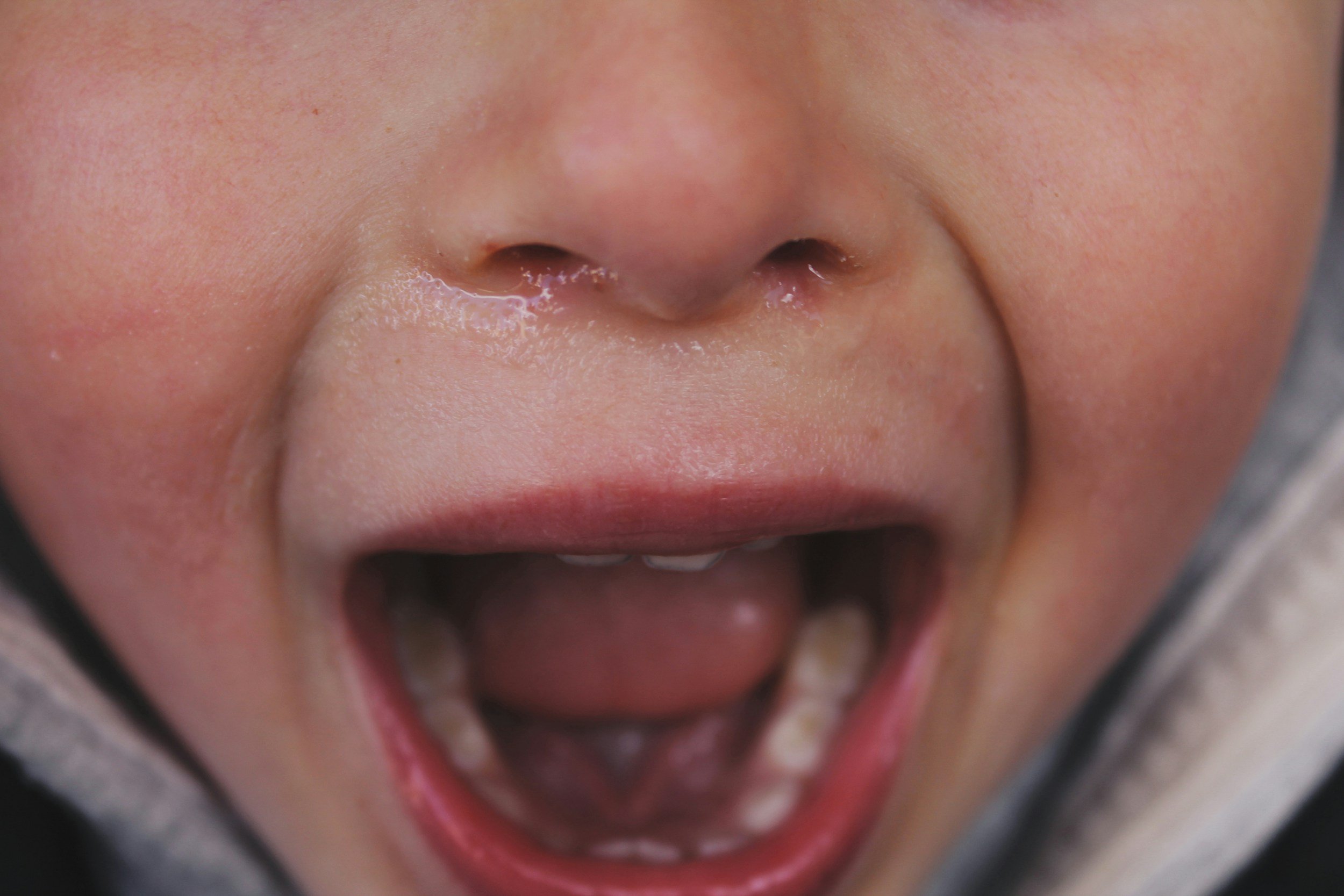
The Seven-Year Vanishing: I was "taken" from my mother without explanation. As I screamed in the front seat of my father’s car, my seven-year-old brain reached a devastating conclusion: I must have done something wrong. The world is unsafe. Screaming doesn't make the car stop.
The Eighteen-Year Discard: In the middle of my senior year of high school, my father informed me he was moving to the Caribbean. No plan, no support, just an abrupt exit. I was expendable.
From Survival to Muscle Atrophy
These events taught my brain a dangerous lesson: Effort is futile. When you scream at seven and the car still drives away, your brain performs a calculation to save you from further pain. It stops fighting. Learned Helplessness is like "Muscle Atrophy" of the soul. You don't stay because you are weak; you stay because your nervous system has been trained to believe that fighting back doesn't change the outcome. In the world of thanatology, we study the "active phase" of dying where the body begins to shut down non-essential systems. Learned helplessness is the active phase of survival,where your brain shuts down your "will" because it considers it a non-essential luxury.
This atrophy follows us directly into the divorce itself. We don't just stay because we fear the partner; we stay because we have been convinced we are functionally incompetent. Because the "Discard" at eighteen taught us that independence is a punishment rather than a freedom, we mistakenly believe we cannot navigate the world, the bank accounts, the legalities, or the silence, alone. We view the exit as a second abandonment rather than a first liberation.
When you are in this state, "I don't know" becomes your safest answer. If you don't know what you want, you can't be punished for wanting it. If you don't know how to handle the money, you don't have to face the terror of failing at it. The "Quiet Mouse" isn't just hiding from the antagonist; she is hiding from the responsibility of being alive.
The Appeasement Trap: "I Just Want Peace"
When a lawyer asks, "What do you want?" Many of us go blank. We don't ask for assets, or the house, or fair terms. We appease.
We think we are being "the bigger person," but often, we are just fawning. We trade our future financial security for a single hour of regulated breathing. If you find yourself saying, "He can just have it all," ask yourself: Are you negotiating a settlement, or are you signing a surrender treaty because your internal "want" sensor was stolen decades ago?
In this stage, you aren't just struggling to leave a person who hurts you; you are mourning the ghost of the person you hoped they would be. Learned helplessness keeps us tethered to a "potential future" that died a long time ago. We often stay simply to keep the corpse of the marriage warm.
Listen to the full discussion: If this internal "surrender treaty" sounds familiar, listen to E57: The Exhausted People-Pleaser. We discuss how to reclaim your "want" sensor and move from fawning to true freedom.
Moving Beyond the "Quiet Mouse"

By the time my marriage began, I wasn't "stupid", I was unanchored. The antagonist didn't have to break my boundaries; he simply moved into the gaps that abandonment had left behind. He didn't take my power; he simply occupied the space where my power had already gone dormant.
If you are struggling to leave a toxic situation, or if you’ve tried and "failed" multiple times, please hear this:
Alignment is a survival strategy: Staying quiet or "fawning" isn’t a choice or a preference; it’s your body keeping the peace until you are strong enough to survive the "execution" of leaving. You aren't a coward; you are a strategist who has been waiting for the right weather to launch.
Decision fatigue is a symptom, not a character trait: If you cannot choose which lawyer to call or where you will live, it is because your "want" muscle is currently in a cast. In the beginning, it is okay to borrow the will of a trusted advocate while yours heals.
It takes practice: I had to fail at leaving four times just to prove to my own brain that a fifth time was actually possible. Think of those first four tries not as failures, but as "stress tests" for your new map.
The "Thaw" is slow: You don’t go from a Quiet Mouse to a Lioness in one day. You start by making one small, "unsafe" choice,like saying no to a minor demand,to show your nervous system that the car isn't going to drive away this time.
However, as you find your voice, be careful not to mistake "fighting back" for "healing." In a popular episode of my podcast, Just Separated, I discuss [The True Cost of "Winning" in Family Court] with mediator Jamie West. We explore the "Firefighter Trap", how trying to "save" your kids through aggressive litigation can often cause more damage than the conflict itself.
You aren't failing at being a "strong person." You are a person whose nervous system is currently standing in an old driveway. But that driveway is in the past, and your map can be redrawn.
Stop Bracing. Start Breathing.
Join our next Free Workshop: The Exhausted People-Pleaser.
If you’ve spent years managing everyone else's chaos at the expense of your own heart, you aren't just "nice", you’ve been surviving. Whether you’re in the thick of a legal battle or the quiet aftermath of divorce, your body is likely still "holding its breath."
Join us for a Free 60-Minute "Quiet Session" where we dismantle the Fawn Response and help you stop feeling like a guest in your own life.
The Survival Kit: Register to receive our immediate "Neurological Pattern Interrupters."
The Safe Space: No cameras, no breakout rooms, no forced sharing. Just forensic tools and somatic relief.